






Here are all Canton Fair strategies explained for beginners
Table of Contents
- Why the Canton Fair Still Matters More Than Any Other Trade Show
- Pre-Fair Preparation That Separates Winners From Wasters
- Booth Design That Pulls Buyers In
- Product Presentation That Makes Procurement Managers Stop
- Digital Marketing Before, During, and After the Fair
- On-Site Tactics That Convert Visitors Into Paying Customers
- Negotiation Strategies That Close Deals on the Floor
- The Critical 72-Hour Post-Fair Window
- Measuring Your Canton Fair ROI
- Turning One Trade Show Into a Year-Round Export Engine
Why the Canton Fair Still Matters More Than Any Other Trade Show
Every spring and autumn, over 200,000 international buyers descend on Guangzhou for the China Import and Export Fair. They come with purchase orders to fill, supplier lists to build, and budgets to spend. And most exhibitors waste this opportunity completely.
They show up with a generic booth, a stack of outdated catalogs, and zero plan for what happens after the fair ends. Then they wonder why their competitors walked away with the big orders.
The Canton Fair isn’t just another trade show. It’s the single largest B2B sourcing event on the planet. Three phases. Thousands of exhibitors. Buyers from over 210 countries. The concentration of purchasing power in one location is something no digital platform has managed to replicate, despite what Alibaba’s marketing team might tell you.
But here’s the thing. Showing up isn’t enough. The companies that win at Canton Fair treat it like a military campaign. Every detail planned. Every interaction intentional. Every follow-up executed within hours, not weeks.
This guide breaks down exactly how to do that.
Pre-Fair Preparation That Separates Winners From Wasters
The Canton Fair is won or lost before you ever set foot in the exhibition hall. What you do in the 60 days before the fair determines 80% of your results. That’s not an exaggeration.
Start with your target buyer profile. Who specifically are you trying to attract? Importers from Europe have different priorities than distributors in Southeast Asia. Wholesale buyers care about different things than OEM procurement managers. Get specific about who you want in your booth and what would make them stop walking.
Research which buyers attended previous sessions. The Canton Fair publishes buyer statistics by region and industry. Cross-reference this with your ideal customer profile. If your target market sends 15,000 buyers to Phase 2, that’s where you need to be. If they primarily attend Phase 1, adjust accordingly.
Build your pre-fair outreach list at least 45 days before the event. This means identifying specific companies and contacts who will be attending. LinkedIn Sales Navigator is useful here. So is checking buyer registration announcements and industry association travel groups.
Then reach out. Not with a generic “visit our booth” message. With something specific about their business and how your products solve a problem they actually have. Mention your booth number. Offer to schedule a meeting time. Make it easy for them to say yes.
The companies that pre-book 15 to 20 meetings before the fair opens consistently outperform those who rely on walk-up traffic alone.
Booth Design That Pulls Buyers In
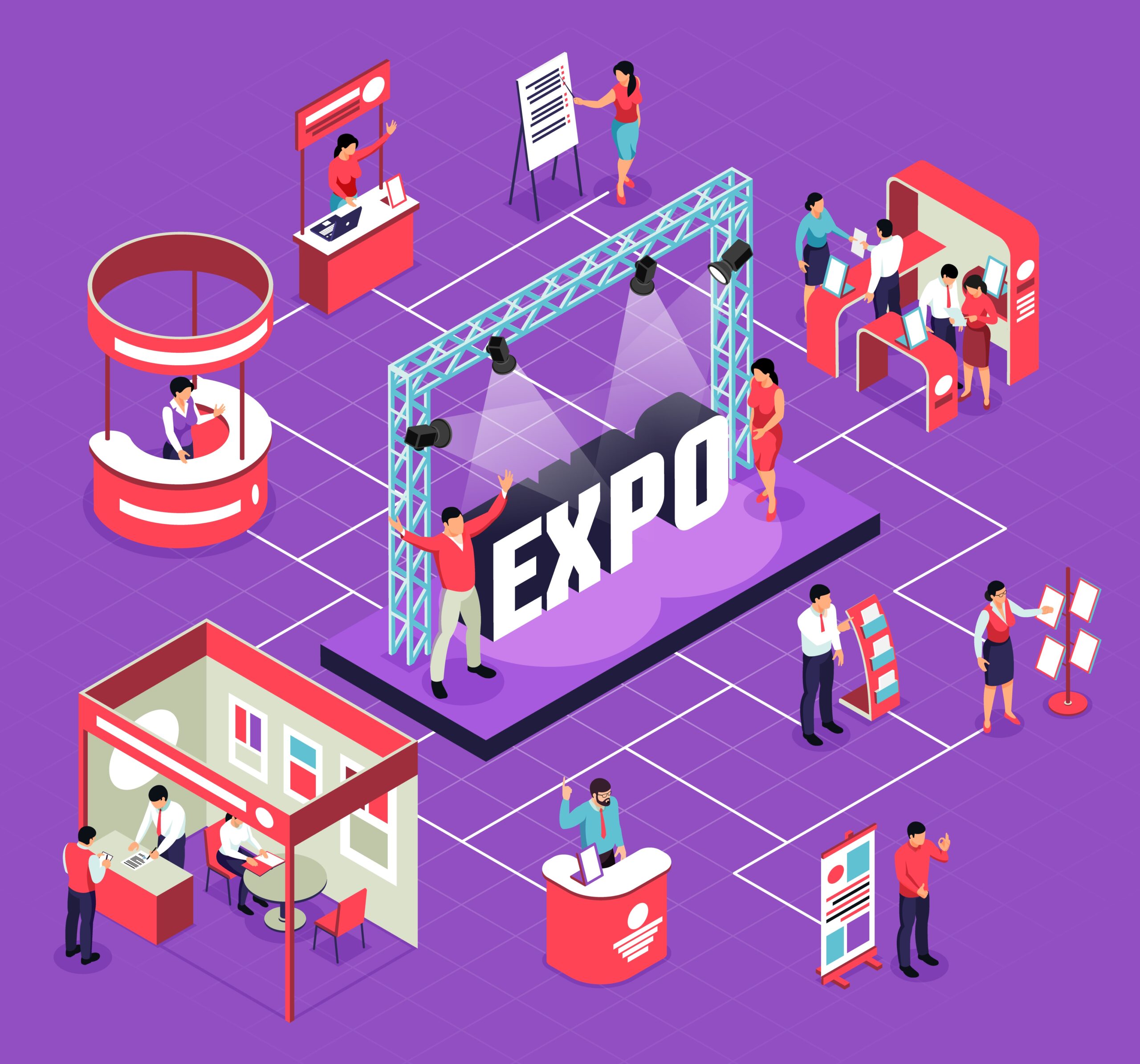
Your booth has about three seconds to grab attention. Buyers are walking past hundreds of exhibitors. They’re tired. They’re overwhelmed. They’re looking for reasons to keep walking, not reasons to stop.
So give them a reason to stop.
The biggest mistake exhibitors make is treating their booth like a storage room with a banner. Products crammed on shelves. Staff sitting behind tables looking at their phones. No clear message about what makes this company different from the 50 others selling similar products.
Effective booth design starts with one question: what’s the single most compelling thing about your company? Maybe it’s your manufacturing capacity. Maybe it’s a patented technology. Maybe it’s your price point at a certain quality level. Whatever it is, that message needs to be visible from 20 feet away.
Lighting matters more than most exhibitors realize. Products displayed under proper exhibition lighting look 40% more premium than the same products under standard fluorescent tubes. Invest in spotlights for hero products. Use backlit displays for your brand messaging. Create visual contrast that draws the eye.
Your booth layout should create a natural flow. Open frontage invites people in. A demonstration area gives them a reason to stay. A semi-private meeting space allows serious conversations without shouting over the crowd. Don’t block your entrance with a table. Don’t hide your best products in the back corner.
For companies investing in their website and digital presence alongside their physical booth, make sure the branding is consistent. Buyers who research you online before visiting should recognize your brand immediately when they see your booth.
Product Presentation That Makes Procurement Managers Stop
Procurement managers at Canton Fair evaluate hundreds of potential suppliers in a few days. They have systems for quickly filtering out companies that don’t meet their criteria. Your product presentation needs to survive that filter.
Canton Fair strategies Start with your hero products. Not everything you manufacture. The three to five products that best represent your capabilities and match current market demand. Display these prominently with clear specifications, pricing tiers, and MOQ information visible without having to ask.
Comparative displays work incredibly well. Show your product next to a competitor’s product (without naming them) and highlight the differences. Better materials. Tighter tolerances. Superior finish. Let buyers see the quality difference with their own eyes rather than just reading about it in a catalog.
Your sourcing catalog needs to be more than a product list. International procurement managers want to see your factory capabilities, quality certifications, production capacity, lead times, and shipping options. Include case studies showing successful partnerships with buyers in their region. Make it easy for them to picture working with you.
Digital integration is no longer optional. QR codes on product displays that link to video demonstrations, detailed spec sheets, or your digital catalog save time and give buyers information they can review later. A buyer who scans your QR code is a buyer who’s interested enough to follow up.
Schedule live demonstrations throughout each day. Announce them with signage showing the next demo time. A crowd watching a demonstration attracts more crowd. It’s social proof in real time. Buyers think, “If that many people are watching, this must be worth seeing.”
Digital Marketing Before, During, and After the Fair
The Canton Fair doesn’t exist in a vacuum. Your digital marketing should amplify everything you do on the ground. Think of it as a multiplier for your physical presence.
Before the fair, run targeted campaigns aimed at buyers who are planning to attend. Google Ads targeting keywords like “Canton Fair suppliers” plus your product category can capture buyers during their research phase. LinkedIn campaigns targeting procurement titles at companies in your target markets put your brand in front of decision-makers weeks before they arrive.
Email marketing is particularly effective for pre-fair outreach. If you have an existing database of international contacts, a well-crafted email sequence announcing your Canton Fair participation, highlighting new products, and offering meeting scheduling can fill your calendar before the doors open.
During the fair, live streaming your booth activities reaches buyers who couldn’t attend in person. Platforms like LinkedIn Live, YouTube, and even WeChat for Chinese business contacts allow you to demonstrate products to a global audience in real time. Some exhibitors report generating as many leads from live streams as from physical booth visits.
For companies targeting buyers in multiple languages, multilingual marketing strategies ensure your digital content reaches buyers in their native language. A Spanish-language product video shared with Latin American importers performs dramatically better than the same content in English only.
AI chatbots on your website can handle inquiries from different time zones while you’re busy on the exhibition floor. A buyer in Germany who visits your site at 3 AM Guangzhou time still gets an immediate response and can schedule a meeting for the next day.
On-Site Tactics That Convert Visitors Into Paying Customers
Getting buyers into your booth is only half the battle. Converting them into actual customers requires a systematic approach that most exhibitors completely lack.
Implement a three-tiered engagement system. Tier one is the casual browser. They get a quick greeting, a catalog, and an invitation to watch the next product demo. Don’t waste 20 minutes on someone who’s just collecting brochures. Tier two is the interested prospect. They’re asking specific questions about pricing, MOQs, or customization. They get dedicated attention from a knowledgeable team member and a seat at your meeting table. Tier three is the serious buyer. They have specific requirements, timelines, and budgets. They get your senior sales person, a private conversation, and a preliminary quotation before they leave your booth.
This tiering system ensures your best people spend time with the highest-potential buyers. It sounds obvious, but watch most booths at Canton Fair. Their top salesperson is stuck explaining basic product features to a student doing market research while a genuine buyer with a $500,000 order walks past because nobody’s available.
Lead capture needs to be instant and thorough. Business card scanning apps that integrate with your CRM mean every contact is logged with notes about their requirements, timeline, and interest level. Don’t rely on collecting cards in a fishbowl and sorting them out next week. By then, your competitor has already sent a follow-up.
Train your booth staff on qualification questions. Within two minutes of conversation, they should know: What does this buyer purchase? What volumes? What’s their timeline? Who else are they considering? This information shapes the conversation and determines how much time to invest.
Negotiation Strategies That Close Deals on the Floor
The best Canton Fair exhibitors close deals during the fair, not after. While competitors are saying “we’ll send you a quote next week,” winning companies are getting purchase orders signed on site.
This requires preparation. Have your pricing tiers ready for different order volumes. Know your margins well enough to offer flexibility without calling your boss. Prepare contract templates that can be customized on the spot. Bring a laptop with your full product database so you can build custom quotations in minutes.
MOQ flexibility is a powerful negotiation tool. Many international buyers, especially those entering new markets, want to test with smaller initial orders before committing to large volumes. Offering a slightly higher unit price for a lower first order, with pricing that drops at the second order, removes a major barrier. You get the customer. They get reduced risk. Everyone wins.
Payment terms matter enormously to international buyers. If your competitor requires 100% payment upfront and you offer 30% deposit with 70% before shipment, you’ve just made yourself significantly more attractive. Understand what payment structures work for buyers in different regions and have options ready.
For B2B sales and SEM strategies that support your trade show efforts, make sure your online presence reinforces the credibility you’re building in person. A buyer who Googles your company during the fair and finds a professional website with case studies and certifications is far more likely to sign than one who finds nothing.
The Critical 72-Hour Post-Fair Window
Here’s where most exhibitors throw away everything they worked for. They collect 200 business cards, fly home exhausted, and don’t follow up for two weeks. By then, the buyer has already chosen a supplier. Game over.
The first 72 hours after meeting a buyer are critical. This is when your conversation is still fresh in their mind. This is when they’re comparing notes on the suppliers they visited. This is when a well-timed, personalized follow-up can tip the decision in your favor.
Your follow-up system should be planned before the fair starts. Email templates customized for different buyer types. Quotation formats ready to fill in. Product specification sheets ready to attach. Video messages recorded at your factory showing production capabilities. All of this should be ready to deploy within 24 hours of the fair closing.
Personalization is what separates effective follow-up from spam. Reference the specific conversation you had. Mention the products they were interested in. Address the concerns they raised. Show them you were listening, not just collecting cards.
For high-value prospects, a video proposal works remarkably well. Record a short video addressing their specific requirements, walking through your recommended products, and outlining next steps. It takes five minutes to record and demonstrates a level of effort that generic emails can’t match.
Your CRM and email marketing systems should automate the nurturing sequence for leads that don’t convert immediately. Not every buyer places an order in the first month. Some have longer procurement cycles. A structured drip campaign keeps you top of mind until they’re ready to buy.
Measuring Your Canton Fair ROI
If you can’t measure it, you can’t improve it. Yet most exhibitors have no idea whether their Canton Fair investment actually produced positive returns.
Start by calculating your total investment. Booth rental. Construction and design. Travel and accommodation for your team. Product samples and shipping. Marketing materials. Staff time for preparation and follow-up. Get the real number, not just the booth fee.
Then track your results systematically. How many qualified leads did you generate? How many converted to quotation requests? How many became actual orders? What was the total revenue from Canton Fair leads over the following 12 months? Divide revenue by investment. That’s your ROI.
Companies that track these numbers consistently find patterns. Maybe Phase 1 produces better results than Phase 2 for your products. Maybe certain booth locations generate more traffic. Maybe your live demonstrations convert at twice the rate of catalog-only interactions. This data informs your strategy for the next fair.
Benchmark against your industry. Talk to other exhibitors. Join Canton Fair exhibitor groups online. Understanding what “good” looks like helps you set realistic targets and identify areas for improvement.
For companies using paid search and SEM campaigns alongside their trade show efforts, compare the cost per qualified lead from each channel. Many manufacturers find that Canton Fair leads, despite the higher upfront cost, convert at significantly better rates than digital-only leads because of the face-to-face relationship building.
Turning One Trade Show Into a Year-Round Export Engine
The Canton Fair happens twice a year. But the relationships you build there should generate business all year round.
Companies that implement this complete strategy framework typically see 300 to 500% more qualified leads than competitors who show up without a plan. Their sales cycles with international buyers run 40 to 60% faster because the in-person relationship accelerates trust building. And their average order values come in 25 to 35% higher because they’ve demonstrated value rather than competing on price alone.
These aren’t fantasy numbers. They’re the difference between treating Canton Fair as a checkbox activity and treating it as a strategic growth investment.
The manufacturers and exporters who win at Canton Fair don’t see it as a three-day event. They see it as the centerpiece of a year-round export marketing system. Pre-fair digital campaigns build awareness. The fair itself builds relationships. Post-fair nurturing converts those relationships into revenue. And the cycle repeats, getting more effective each time as your reputation and buyer network grow.
For trading companies and manufacturers serious about growing their international business, mastering these trade show techniques turns the China Import and Export Fair from an expense line into your most productive revenue channel.
If you need help building the digital marketing infrastructure that supports your Canton Fair strategy, from website development to email automation to international SEO, get in touch with the Justtapseo team to discuss how digital and physical marketing work together to drive export growth.